Hurry! Only 1 Hour Left to Save 20% on Your First Month!


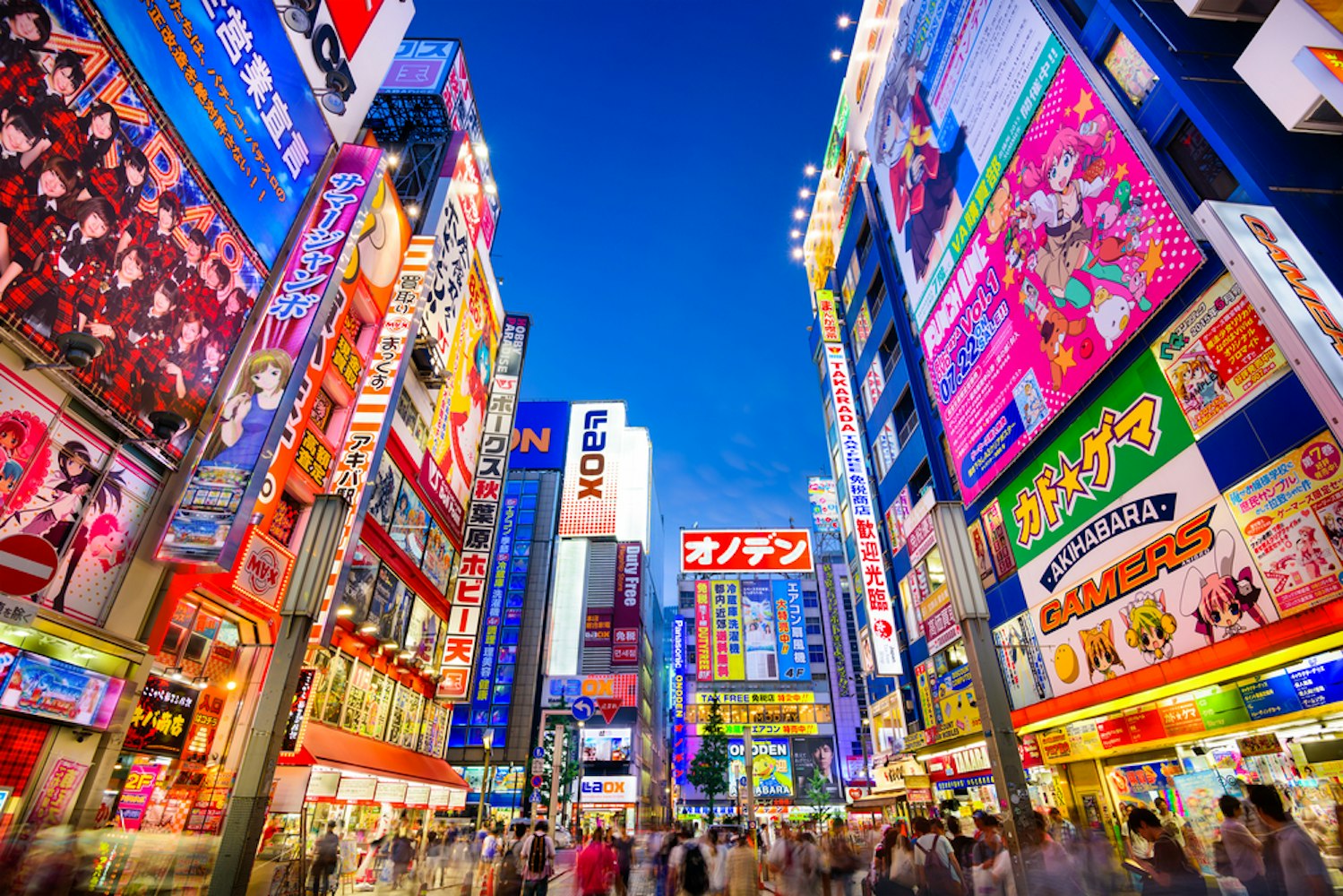
I wake up with Tokyo, and that’s the only way to truly understand this city. Dawn here isn’t loud or dramatic—it’s precise, intentional, almost polite. The first light slides between glass towers and older concrete buildings like it knows exactly where it’s going. From my vantage point, I watch the city stretch. Tokyo doesn’t yawn. It switches on.
The hum starts early. Not chaos—coordination. You hear it in the soft rush of traffic flowing instead of honking, in the rhythmic arrival of trains that glide in on time, every time. Standing near Shibuya Crossing before it fully erupts is one of my favorite moments. There’s a pause before the surge, a collective inhale. Digital screens glow brighter as the sky lightens, and suddenly the world’s busiest crossing becomes a perfectly choreographed dance. Thousands move at once, yet no one collides. Tokyo teaches you early: efficiency can be beautiful.
What really pulls me in, though, is the people. Salarymen already sharp in dark suits, briefcases in hand, eyes forward. Students in neatly pressed uniforms cluster together, half-awake but laughing, grabbing canned coffee or stopping for a quick bite before school. There’s life everywhere, but it’s never intrusive. Everyone belongs to the rhythm. I duck into a narrow side street and find a tiny sushi counter already open, the chef nodding silently as he works. The smell of fresh rice, seaweed, and fish hits instantly—clean, subtle, confident. This isn’t performance sushi. This is daily life.
Tokyo at the morning feels honest. Tradition and modernity don’t compete here—they coexist without explanation. A centuries-old shrine sits quietly between office buildings, incense drifting upward while commuters pass without breaking stride. Convenience stores glow like beacons, offering everything from hot meals to umbrellas, perfectly stocked before most cities are even awake. There’s comfort in that reliability.
As the day fully breaks, I realize Tokyo doesn’t try to impress you. It simply shows you who it is. If you’re paying attention, it invites you in—not loudly, not desperately—but with quiet confidence. And once you step into that rhythm, even briefly, you carry it with you. That’s the magic of waking up with Tokyo.
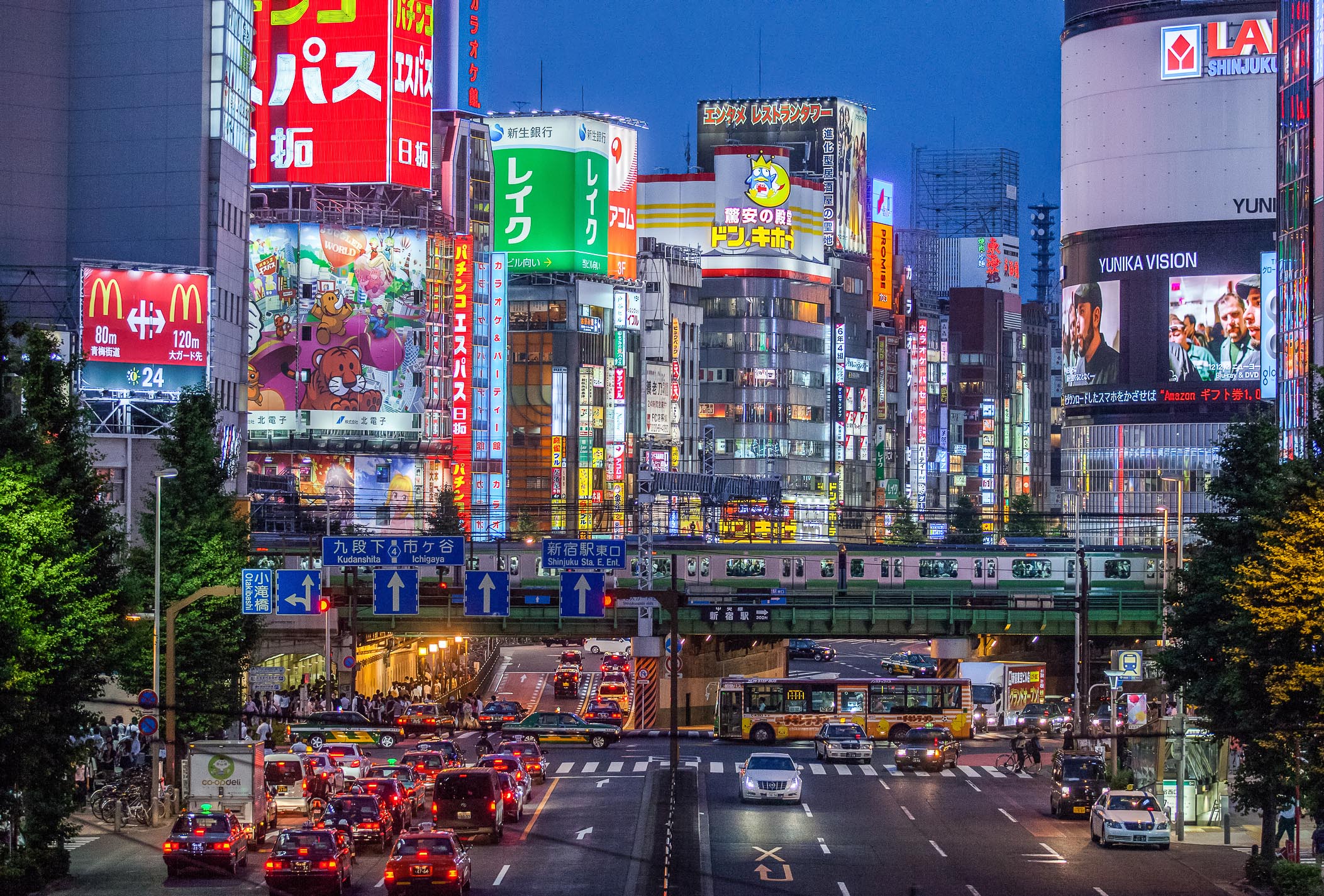
When I step into Shinjuku, I can feel Tokyo’s heartbeat speed up just a little. This place never really rests—it just shifts gears. By day, Shinjuku introduces itself with surprising calm, almost as if it’s daring you to underestimate it. I like starting in Shinjuku Gyoen National Garden, because it resets your senses. Inside those gates, the city fades. The noise softens. Wide lawns stretch out, traditional teahouses sit quietly, and depending on the season, cherry blossoms frame the paths like something carefully painted rather than grown. When the sakura are in bloom, petals drift down slowly, and people instinctively lower their voices. It’s not written anywhere, but everyone seems to understand the moment deserves respect.
Leaving the garden, I’m pulled right back into the urban flow. Cafés spill onto sidewalks, and the soundscape changes—espresso machines hissing, friends laughing, the scrape of chairs on pavement. This is where Shinjuku feels lived-in. Ramen shops hum with energy even before noon, steam fogging the windows as chefs work fast and without flair. Tempura counters crackle with heat, and office workers slide onto stools for quick, deeply satisfying meals. No one lingers long, but no one rushes the food either. It’s efficient enjoyment.
As evening approaches, Shinjuku transforms without apology. Neon signs flicker on one by one, stacking vertically until the streets glow like electric canyons. Kabukicho announces itself boldly—bright, loud, unapologetic. I walk the narrow alleys where izakayas pack in shoulder to shoulder, laughter spilling out along with the smell of grilled skewers and beer. This is where people loosen their ties, literally and figuratively. Locals unwind, tourists look around wide-eyed, and for a few hours, everyone shares the same purpose: to let the day go.
What I love most about Shinjuku is that it never asks you to choose between calm and chaos. You get both, sometimes within the same block. It invites you to move at your own pace—quiet reflection in the garden, then full immersion in the night. If Tokyo is a city of layers, Shinjuku is where you feel them all at once. And once you do, you don’t just visit it—you sync with it.

When I leave Tokyo behind and head toward Mount Fuji, it feels less like a side trip and more like a quiet recalibration. Fuji doesn’t announce itself with noise or spectacle—it simply appears, steady and immovable, like it’s been waiting for you to slow down enough to notice. At sunrise, the mountain feels almost ceremonial. The first light spills across its snow-dusted peak, and everything else seems to pause. Conversations soften. Cameras lower. There’s an unspoken understanding that this isn’t just a view—it’s a presence.
As I move closer, the air changes. It’s cooler, cleaner, and scented with earth and pine. Hiking trails wind through forests that feel intentionally preserved, not curated. Leaves rustle underfoot, birds call from somewhere unseen, and the farther you walk, the more Tokyo fades into memory. These paths aren’t rushed. They invite reflection. You pass fellow hikers who nod quietly, sharing the same sense of respect. Fuji has that effect—it levels everyone.
One of my favorite surprises along the way is stumbling upon traditional tea houses tucked into unexpected places. They feel timeless, as if they’ve always been there and always will be. Inside, you’re offered warm matcha, slightly bitter, deeply grounding. You sit, breathe, and look out toward the mountain framed by wooden beams and paper screens. There’s no pressure to move on. Time stretches here, and no one minds.
By evening, Lake Kawaguchi becomes the stage. As the sun dips lower, Mount Fuji reflects perfectly in the still water, creating a mirror image so precise it feels unreal. The sky shifts through soft oranges, purples, and blues, and suddenly the mountain looks less imposing and more intimate. People gather quietly along the shore, some with cameras, others simply watching. No one speaks much. They don’t need to.
What strikes me every time is the contrast. Just hours away, Tokyo buzzes with motion, screens, schedules, and speed. Here, Fuji stands unchanged, reminding you that beauty doesn’t chase attention—it earns reverence. Visiting Mount Fuji isn’t about escaping the city. It’s about understanding it better by stepping outside its orbit. And when I return to Tokyo, I carry that stillness with me, like a quiet compass pointing me back to balance.
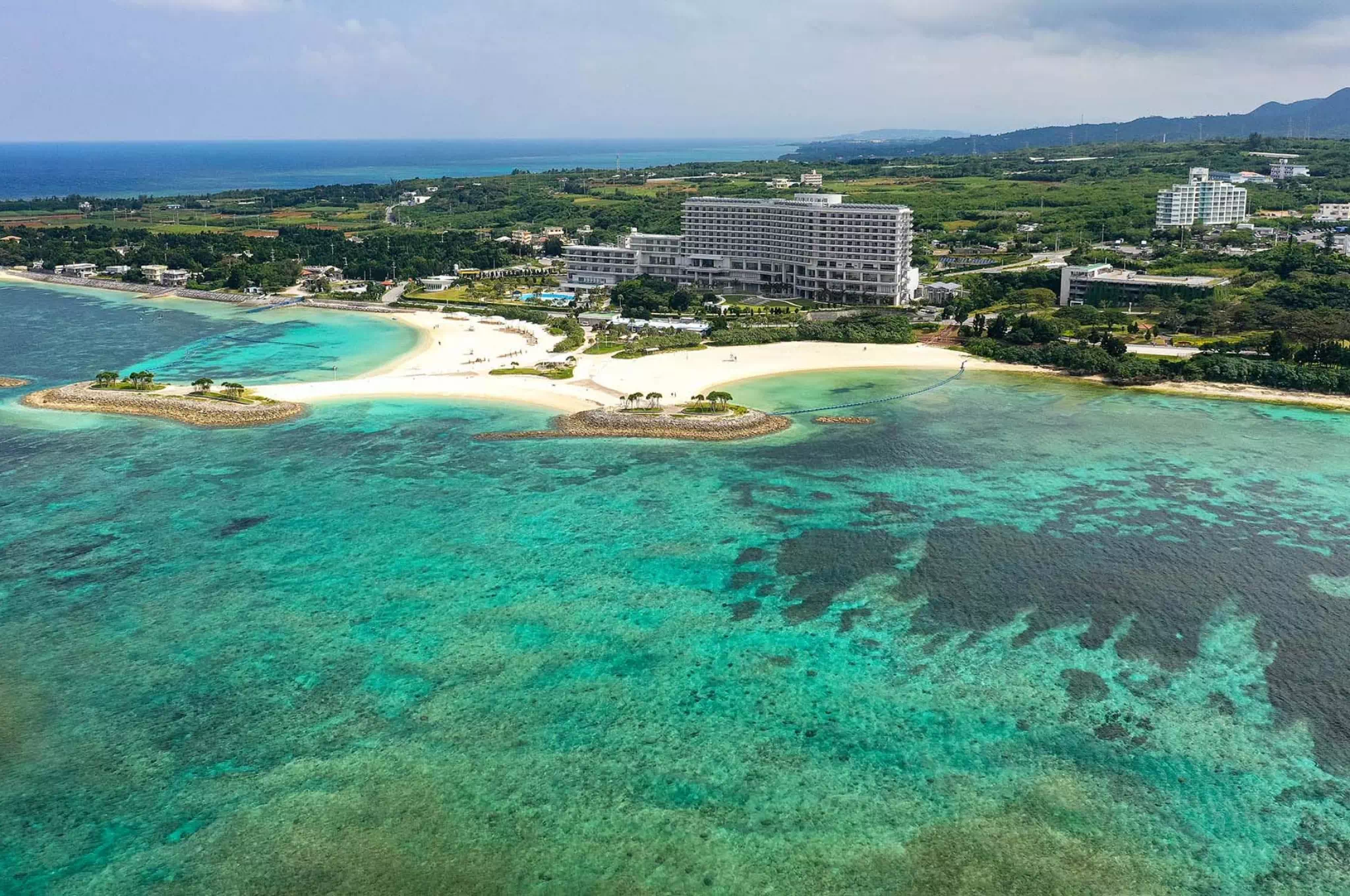
When I head south to Okinawa, I feel Tokyo slip off my shoulders almost immediately. The pace changes the moment I arrive. The air is warmer, softer, and carries the unmistakable scent of salt and sun. This isn’t Japan as most people imagine it—it’s something entirely its own. Okinawa moves to a different rhythm, one set by tides, wind, and generations of island life shaped by the sea.
The first thing that captures me is the water. Cerulean doesn’t quite do it justice. The ocean here glows, shifting from turquoise to deep blue depending on the light, so clear you can see movement far below the surface. Soft sand gives underfoot, warm even in the early morning, and palm trees sway lazily as if time itself has slowed. Waves roll in steadily, not aggressively, creating a constant, calming soundtrack that stays with you long after you leave the shore.
Beyond the beaches, Okinawa’s soul lives in its villages. Traditional Ryukyu homes stand out immediately—low, colorful rooftops, stone walls, and guardian shisa statues watching over entrances. These villages feel personal, not preserved for show. I wander past open doors, hear conversations drifting out, and catch glimpses of daily life unfolding naturally. Handcrafted pottery lines small shops, each piece imperfect in a way that feels intentional. You can tell these objects aren’t rushed. They’re made with patience and pride.
Out on the water, snorkeling reveals another world entirely. Coral reefs stretch beneath the surface like living tapestries, alive with color and movement. Schools of fish dart past, flashes of yellow, blue, and silver weaving through the coral. Time disappears when I’m floating there, suspended between sky and sea. When I finally emerge, saltwater dries on my skin, and the sun warms my back. The memory lingers—vivid, tactile, unforgettable.
What makes Okinawa special isn’t just its beauty—it’s the way it invites you to rest without guilt. Each island feels like a sanctuary, offering permission to slow down, breathe deeper, and reconnect with the natural world. Okinawa doesn’t demand exploration. It rewards presence. And when I leave, I don’t feel like I’m saying goodbye—I feel like I’m carrying a piece of that ease with me, a reminder that life doesn’t always have to move fast to be full.
Experience the raw natural beauty and rich cultural heritage of Okinawa

When I wander into Ameyoko Market, I don’t ease into it—I’m pulled in. This place grabs you by the senses and refuses to let go. Located between Ueno and Okachimachi, Ameyoko isn’t polished or quiet, and that’s exactly the point. It’s Tokyo at street level, raw and energetic, where the city’s pulse is loud enough to feel under your feet.
The alleys are narrow and packed, lined shoulder to shoulder with stalls that seem to spill into the walkway. Crates of fresh produce stack high—bright oranges, glossy eggplants, and seafood laid out on ice, shimmering under fluorescent lights. Clothing racks overflow with colorful textiles, socks, jackets, and bags, often sold with rapid-fire enthusiasm. Vendors call out prices in rhythmic chants, their voices bouncing off metal awnings and concrete walls. Even if you don’t understand every word, you understand the urgency. This is happening now.
Food is the true magnet here. The sizzle of yakitori hits you before you even see the grills, smoke curling upward and carrying the unmistakable smell of charred chicken and sweet soy glaze. A few steps later, the scent shifts—freshly baked melon bread, warm and sugary, then the deep spice of curry simmering somewhere just out of sight. I stop often, sometimes without planning to, pulled by aroma alone. A takoyaki ball is hot enough to demand patience, crisp on the outside and molten inside. An onigiri, simple and perfectly seasoned, somehow tastes better eaten standing in a crowd.
What I love most is how personal Ameyoko feels. Vendors joke with regulars, bargain playfully, and laugh loudly. Tourists stand side by side with locals, all navigating the same tight spaces, all part of the same moment. Stories overlap here—postwar roots, everyday routines, quick lunches, late-afternoon shopping runs. No one rushes you out, but no one slows down either.
Ameyoko isn’t just a market. It’s a living conversation. Every bite, every shout, every step forward adds another layer. If you want to understand Tokyo beyond the guidebooks, this is where you listen with all your senses. I leave full, energized, and slightly overwhelmed—in the best possible way.
I arrive at the Tsukiji Outer Market early, because that’s when it tells the truth. The sun is barely up, and yet the place is already alive. Fishmongers call out prices with sharp, practiced voices, their words cutting through the air as carts roll past stacked with insulated boxes from the morning’s catch. There’s motion everywhere—deliberate, efficient, and deeply rooted in routine. This isn’t a performance for visitors. This is work, and I’m stepping into it.
What strikes me immediately is how close everything feels. The distance between ocean and plate is measured in steps, not miles. I watch chefs behind narrow counters moving with calm precision, hands steady, eyes focused. There’s no wasted motion. When I sit down for sushi here, I’m not ordering—I’m trusting. A piece of tuna lands in front of me, perfectly shaped, the rice still warm. The balance is exact. Nothing flashy. Nothing extra. Just excellence.
Then there’s uni. I always tell people: if you’re going to try it anywhere, try it here. The bowl arrives glistening, golden and soft, and the first bite floods my senses with the clean, briny sweetness of the sea. It’s rich without being heavy, delicate but unforgettable. A touch of wasabi adds a quiet heat that lingers just long enough. This is Tokyo on a plate—restraint meeting depth, simplicity elevated to art.
Beyond the seafood, Tsukiji keeps pulling me forward. Seasonal fruits are displayed like jewels—strawberries impossibly red, melons wrapped with care, each one treated as something valuable. Street stalls hiss and crackle as squid grills over open flames, brushed with sauce that caramelizes instantly. I grab a skewer, eating it right there, juices running down my fingers, surrounded by the constant hum of conversation and commerce.
What makes Tsukiji special isn’t just the food—it’s the respect. Respect for ingredients, for timing, for craft. Every vendor here understands their role in something larger. Freshness isn’t a buzzword; it’s a responsibility. Quality isn’t optional; it’s expected.
When I leave Tsukiji, I don’t feel like I’ve just eaten breakfast. I feel like I’ve witnessed Tokyo’s values in motion. Precision. Pride. Quiet mastery. If you want to understand how this city thinks, start here—early, hungry, and paying attention.

As I meander through the streets of Tokyo, I’m struck by a quiet kind of gratitude—the kind that settles in slowly and stays with you. This city doesn’t demand your attention all at once. Instead, it reveals itself in layers, through moments that feel small at first but end up meaning everything. A shared laugh overheard on a train platform. A stranger guiding me through a menu with patient gestures. The simple nod exchanged when two people realize they’re both trying to find the same place. Tokyo lives in these in-between moments.
Every day here feels like a collection of stories, loosely stitched together by movement and curiosity. I taste them in food shared at a crowded counter, where language barriers disappear with the first bite. I hear them in laughter spilling out of tiny bars, in conversations that don’t include me but somehow still welcome me. Culture here isn’t presented—it’s practiced, daily and effortlessly. And the more time I spend walking without a strict plan, the more I understand that Tokyo rewards openness far more than schedules.
What I’ve learned is this: Tokyo flows. You can fight that current, rushing from landmark to landmark, checking boxes and snapping photos. Or you can let the city carry you. Sit longer than planned. Take the wrong street on purpose. Say yes when curiosity taps you on the shoulder. Some of my favorite memories weren’t on any itinerary—an unplanned festival, a late-night ramen stop, a quiet shrine discovered by accident while chasing shade on a hot afternoon.
Connections are the real souvenirs here. Not just with people, but with moments. The feeling of belonging, even briefly, in a place so vast and complex. Tokyo teaches you that travel isn’t about collecting destinations—it’s about collecting understanding. Each shared experience, no matter how fleeting, adds depth to the journey and softens the edges between cultures.
So if you come here, I’ll tell you this: slow down. Let moments breathe. Embrace the unexpected without trying to frame it for later. The landmarks will still be there. What won’t repeat are the smiles, the small kindnesses, the unplanned detours that quietly take root in your heart. Long after you’ve left Tokyo behind, those are the things that will call you back—not just to the city, but to the version of yourself you discovered while wandering its streets.

The first time I navigated Tokyo’s subway on my own, I’ll be honest—it humbled me. On paper, it looks like a beautiful system: color-coded lines, spotless stations, trains that arrive down to the minute. In practice, standing underground with dozens of platforms, exits numbered into the twenties, and trains heading in both directions on the same line can feel like trying to solve a puzzle while it’s already moving. I’ve gone the wrong way more than once. I’ve missed my stop by a single station and ended up staring at a map thinking, How did I do that?
But here’s what Tokyo taught me: those moments are not mistakes. They’re invitations.
One wrong turn once turned into a ten-minute walk through a neighborhood I never would have planned to visit. I surfaced from the station expecting office towers and instead found a small street festival—paper lanterns strung overhead, a portable shrine being carried by locals, kids laughing as they chased each other between food stalls. Another time, missing my stop led me to a tiny coffee shop tucked under the tracks, run by an older couple who spoke almost no English but served one of the best cups of coffee I’ve ever had. No itinerary would have taken me there.
Tokyo’s subway demands patience and a little humility. You learn quickly that rushing only makes things harder. I slow down now. I double-check platform numbers. I give myself extra time. And when I still get it wrong—and I do—I smile instead of stressing. Because in this city, even a detour is efficient. You’re rarely lost for long, and you’re never unsafe. The system will always guide you back when you’re ready.
What really matters is your mindset. If you treat the subway like an obstacle, it’ll frustrate you. If you treat it like part of the experience, it becomes one of Tokyo’s greatest teachers. It reminds you that travel isn’t about control—it’s about curiosity. Every missed connection is a chance to surface somewhere unexpected, to see how locals live beyond the major hubs, to stumble into moments that feel personal instead of planned.
So when you find yourself on the wrong train, don’t panic. Step off. Look around. Breathe. Tokyo has a way of rewarding those who keep a sense of humor and stay open to surprise. Long after you forget which line you were supposed to take, you’ll remember the places you discovered by accident. And those stories—the unplanned ones—are always the ones worth telling.
Miles is Hey Sage Life’s global travel chronicler, bringing a warmth and depth to the journeys he captures. With a thirst for real connections and authentic experiences, he shares tales that entice wanderers and dreamers alike.
Editorial Note: All sections are human-edited for accuracy and tone.
"Travel is not just about the destination, but the stories woven along the way."
— Miles
Continue exploring today’s reflections across our community of creators:
Before you close the blog today, here are a couple of trusted places I turn when a story sparks my curiosity. They help you dig deeper, plan smarter, and sometimes uncover something closer to home than you expected.