Hurry! Only 1 Hour Left to Save 20% on Your First Month!

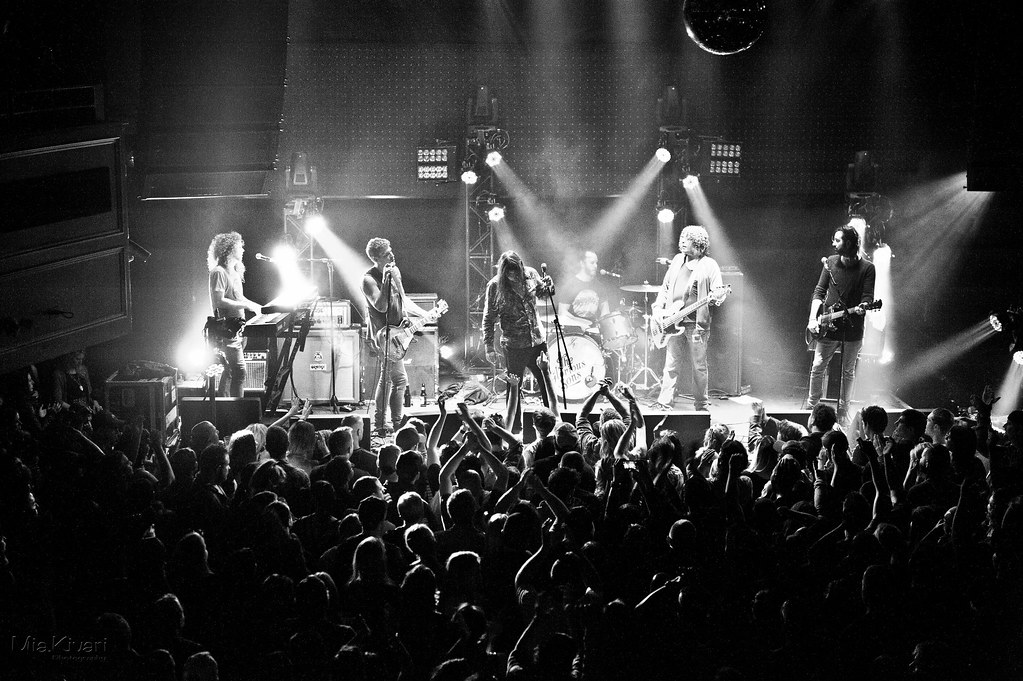
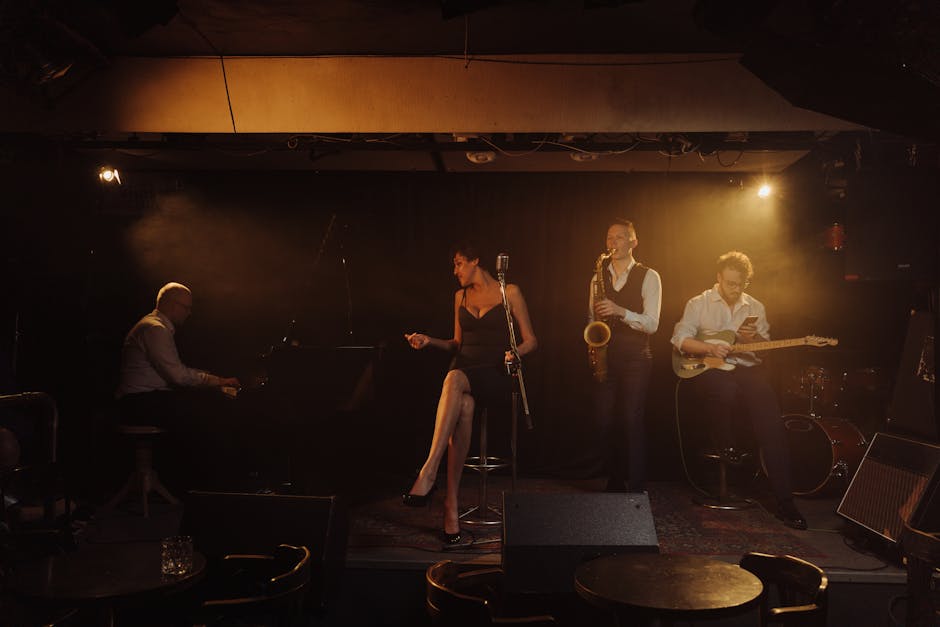
I was standing on Broadway in Nashville the other night, same place I’ve stood a hundred times before, and it hit me again why this street never really gets old. No poetry needed for it. Broadway doesn’t ask for romance — it just shows up loud and honest. Guitars bleeding out of open doors, drums you can feel in your chest, singers giving everything they’ve got whether the crowd is listening or not.
Down the block, a dobro was cutting clean through the noise, locked in with a voice that wasn’t trying to impress anyone — just telling the truth the best way it knew how. That’s the difference you hear when someone’s lived the song instead of rehearsed it. Folks stopped without realizing they’d stopped. Some leaned on railings. Some nodded along. That’s Nashville for you. Nobody needs permission to listen.
You could smell barbecue drifting out of one joint and whiskey from the next. Tourists snapping photos, locals weaving through like it’s just another Tuesday — because it is. The neon signs started buzzing on as the light faded, same old glow, same old hum. Not flashy. Familiar. Like a handshake you’ve had a thousand times.
What keeps me here isn’t the noise or the crowds. It’s that pull you feel when music is doing what it’s supposed to do — connect people who don’t know each other, even for a minute. I’ve chased songs all over this country, but Nashville still feels like home base. Rough around the edges, full of talent, full of heart, and not interested in pretending to be anything else.
That’s why I keep walking these streets. Not for a moment. Not for a picture. For the reminder that real music still lives here, night after night, whether anyone’s watching or not.

I was in Austin one afternoon with no real plan, just killing time the way you do when you’re letting a city show you what it’s got. I cut through a park to get out of the heat and ended up stopping longer than I expected. Under a big old oak, three musicians were set up like they’d been there forever. No stage. No banner. Just a banjo, an acoustic guitar, and a third guy keeping time however he could.
The banjo player had that sharp, clean twang that cuts right through everything. The guitar player wasn’t flashy — just steady, locked in, doing exactly what the song needed and nothing more. That’s always the tell. When someone isn’t trying to show you how good they are, but just trying to make the song work, you pay attention. A breeze moved through the tree overhead, and it felt like the park itself was part of the band.
People started gathering without making a big deal of it. Some folks leaned in close. Some stood back with their arms crossed. A few were clapping along when it felt right. Kids ran around between blankets on the grass, laughing and not worrying about being quiet. Nobody minded. That’s how you know it’s real music — it makes room for life instead of demanding silence.
Off to the side, a couple was sharing a picnic like they’d planned the whole thing around this moment. That’s Austin. Music just shows up, and people fit their day around it instead of the other way around.
I closed my eyes for a minute and let it roll. The sun, the sounds, the rhythm — it all took me back to nights with my own band, loading gear, playing for whoever happened to be listening, doing it because we loved it, not because anyone asked us to.
That’s the soul of live music. Not the lights. Not the crowd size. Just people playing honestly in the open air, letting the song go where it wants. Austin still gets that right.

I was sitting backstage in Chicago years back, killing time before a set, guitar in my lap like it always was. No big moment. No spotlight. Just guys talking shop the way musicians do when they’re half bored and half wired. Somebody showed me a little lick that stuck — not because it was fancy, but because it worked every single time.
It was a simple hammer-on using the E minor pentatonic, and that’s probably why it hit me. Nothing exotic. No theory lesson. Just feel. You hit the open string, then hammer on with your index finger on the second fret of the A string. That’s it. Simple as breathing. But when you slide it into the right place — between vocal lines, before a turnaround, or heading into a chorus — it grabs people whether they know why or not.
I remember the first time I used it onstage. I didn’t announce it. Didn’t plan it. I just let it fall into the solo. You could feel the room tighten up a little. Not loud. Not dramatic. Just that shift when people lean forward instead of back. That’s when you know something landed.
That lick followed me for years. I used it as a bridge between songs, a way to reset the room, or a little nod to the band before we took off again. Same move, different night, always felt honest. I never cared if someone else had used it before. Music doesn’t belong to one person. It belongs to whoever tells the story best in the moment.
That’s something younger players forget. It’s not about how many notes you play or how clean you play them. It’s about why you play them. A simple hammer-on can say more than a hundred-note run if it shows up at the right time.
That lick didn’t make me a better guitarist. It made me a better listener — to the band, the room, and the song itself.

I met a busker named Mia on the subway in New York years ago, standing there like she’d done it a thousand times before. Trains screaming in and out, people rushing past, nobody slowing down unless something made them. And her voice did exactly that. It cut straight through the metal noise — not polished, not pretty, just real. The kind of voice that tells you the song came from somewhere deep and didn’t ask permission before coming out.
She had an old Martin guitar, worn down in all the right places. We got to talking between songs. She told me she came from a small town, packed up with nothing but that guitar and a head full of hope, and landed in the city where dreams don’t wait around for you to figure things out. In New York, you either hang on or get swept away. Most days, it’s a little of both.
She wasn’t singing for tips — not really. The case was open, sure, but that wasn’t the point. She was unloading her life one verse at a time. Missed chances. Bad nights. The loneliness that creeps in when you’re surrounded by people who don’t see you. You could hear it in her voice. See it in her eyes. No acting. No show. Just survival turned into sound.
What stayed with me wasn’t how good she was — it was how honest. She took everything that had knocked her around and fed it straight into the song. No filter. No apology. That’s something you can’t teach. You earn it by living a little and losing a little.
That’s the life of a musician when it’s real. You don’t wait for perfect conditions. You play where you are, with what you’ve got, and you turn the hard stuff into something that helps somebody else breathe easier for a minute.

Today I’ve got the “Acoustic Blues Roadtrip” playlist on, and it’s doing exactly what it’s supposed to do — staying out of the way while still saying something. That’s the sweet spot. It’s not background noise, but it’s not asking for attention either. Just a steady flow you can sit with when your head’s full and the road’s long.
There’s something about acoustic blues that hits different. No tricks. No hiding. When Eric Bibb comes in, you hear the miles in his voice. When Bonnie Raitt shows up, it’s that mix of strength and wear that only comes from living a little. Those songs remind me of long drives with the windows down, arm hanging out, not in a hurry to get anywhere. Just moving forward because that’s what you do.
What I like about this playlist is how it holds together. Each track hands the feeling off to the next one without breaking stride. You don’t get yanked out of the mood. It builds like a good story — a little reflection, a little grit, a little hope — nothing forced. Just honest music doing honest work.
That’s what a good road playlist should be. It doesn’t tell you what to feel. It gives you space to figure it out yourself. Some songs bring you back to old memories. Some remind you where you are right now. And a few sneak up on you and say something you didn’t know you needed to hear.
This one’s not about speed or destination. It’s about staying connected to yourself while the miles roll by.
Music runs through Nashville whether you’re looking for it or not. It’s not a show — it’s just how the city works. You hear a guitar on a front porch when the sun’s going down, somebody working through the same three chords they’ve been chasing for years. Late at night, it spills out of bars thick with smoke and stories, where nobody’s trying to be famous — they’re just trying to get the song right.
Walk into a diner and there’s old vinyl humming in the background, sweet harmonies riding alongside the clink of plates and coffee cups. Nobody comments on it because nobody has to. It’s part of the meal. Part of the pause. Even moving through town, you catch people half-singing along to whatever’s in their earbuds, like a quiet, accidental choir passing each other on the street.
Every neighborhood has its own sound. Some rough. Some polished. Some are still figuring themselves out. Music isn’t decoration here — it’s a connection. A shared language you don’t have to explain. You don’t need a ticket, a stage, or a spotlight. You just need ears and a little time.
That’s what gives the place its pulse. Music shows up when life gets heavy and sticks around when things feel good. It gives people something to lean on, something to remember, something to sing back to themselves when they need it. Nashville doesn’t just play music — it lives in it, every single day.

Today was one of those reminders you don’t plan for — the kind that sneaks up on you and sticks. Music did what it always does when it’s real: it showed me that life works the same way a good song does. It rises. It falls. It pauses when it needs to. And it’s the contrast that makes it matter.
The bright twang hits because you’ve lived through the darker strum. The soft parts mean something because you’ve survived the loud ones. Every note tells on you a little — where you’ve been, what you’ve carried, what you haven’t quite said out loud yet. That’s why music works when nothing else does. It doesn’t ask you to explain yourself. It just sits with you.
I watched people lean into songs today the same way they lean into each other. Music became a shoulder when words didn’t show up. It became a release when joy needed somewhere to land. Sometimes it was just there, steady and familiar, reminding you that you’re not alone even when you feel like it.
What hit me hardest was the honesty. When sound strips away the layers we hide behind and lets something real breathe for a minute. That’s where connection happens. Not in perfection. Not in performance. In truth.
The best lessons don’t come wrapped up neat. They come shared — passed hand to hand through melody, memory, and feel. And those are the ones that last.

As dusk came on, I ended up standing near a small stage watching a young guy finish his set. No big crowd. No noise. Just people paying attention. He hit the last chord and let it ring a second longer than he probably needed to. Nobody rushed it. The room stayed quiet, the way it does when something lands.
He wasn’t flashy. Didn’t need to be. His guitar work was simple, clean, and honest — the kind you learn by playing more than practicing. You could tell he meant every word he sang, even if some of them hadn’t fully found their shape yet. That’s how it usually starts. Truth first. Polish later.
Watching him, I was reminded how music ends up doing more than it sets out to do. It turns into a way people carry things they don’t always know how to say. Every note stacks on the one before it, like the way life works. Some days sound good. Some days don’t. But you keep playing anyway. You keep moving forward because stopping doesn’t solve anything.
What hit me wasn’t the song itself — it was the connection. A room full of strangers leaning in at the same time, all hearing something familiar in their own way. Heartache. Hope. A little grit. A little grace. That’s the shared language. You don’t have to agree on anything else when music shows up and does its job.
There’s a resilience in that. In showing up with what you’ve got, even when it’s rough around the edges. Especially then. Music reminds you that beauty isn’t about perfection — it’s about honesty held long enough to be heard.
I’ve seen that lesson play out on stages big and small, and it never gets old. No matter how tough the road gets, there’s always something worth holding onto in the sound. Sometimes it’s the only thing that makes sense.
Kenny D is a road-worn storyteller who lives between Nashville and NYC, capturing the heart of music in every word at Hey Sage Life.
Editorial Note: All sections are human-edited for accuracy and tone.
"Every song is just a truth we were brave enough to hum first."
— Kenny D
Continue exploring today’s reflections across our community of creators:
When a song sends you down a rabbit hole or makes you wonder where a sound came from, these are a couple of places I trust to explore the stories behind the music.
“Kenny D”