Hurry! Only 1 Hour Left to Save 20% on Your First Month!



Starting your day with a solid morning metabolic reset sets the tone for everything that follows — mood, energy, focus, even how patient you feel with other humans before coffee. As you wake up, take a moment to soak in the sunrise through your window. That warm light isn’t just pretty; it’s nature’s gentle “good morning,” telling your body it’s time to wake up without slamming the alarm on your nervous system.
Before reaching for caffeine like it’s life support, try a glass of water. After a night of rest, your body is thirsty, not lazy. Hydration gets digestion, circulation, and metabolism moving — think of it as turning the key in the engine. Then comes fuel. Nutrient-dense foods with protein and healthy fats help stabilize blood sugar, keep cravings quiet, and prevent the mid-morning crash that makes you question all your life choices.
This isn’t about perfection or rules. It’s about starting the day supported instead of scrambling. Consider it a loving nudge to your metabolism, not a boot camp whistle.

Natalie was telling me the other morning, “Chef Aaron sat me down and explained intermittent fasting in a way that finally made it make sense.” Not as a rule, not as a diet, but as a conversation with your body — and that’s what changed everything for her.
Chef Aaron described intermittent fasting as creating a natural rhythm, not restriction. He said, “Think of it like a peaceful pause, not a punishment.” When you give your body a break from constant digestion, it finally gets the space to recalibrate — hormones settle, energy evens out, and cravings stop yelling for attention like toddlers in a grocery store. That pause isn’t empty time; it’s recovery time.
Natalie loved how he emphasized flexibility. Whether it’s a 16/8 window or another variation, the goal isn’t to force your life into a schedule — it’s to choose a rhythm that fits your real world. Busy mornings? Late dinners? Travel days? Chef Aaron reminded her that consistency matters more than perfection, and listening to your body always wins.
And here’s the part Natalie really leaned into when sharing this with viewers: fasting isn’t about not eating — it’s about eating better when you do. Quality meals, real nourishment, protein, healthy fats, fiber — food that supports you instead of spiking and crashing your energy.
Chef Aaron summed it up perfectly: “Intermittent fasting isn’t about control. It’s about trust.” Trusting your body, your signals, and your ability to build a healthier relationship with food — one calm, intentional choice at a time.

Natalie shared this one with a smile and said, “This came straight from one of my kitchen-table talks with Chef Aaron.” Not a lecture. Not a rulebook. Just real insight that finally connected the dots.
Chef Aaron told her, “Cravings aren’t the enemy — they’re information.” Most of us try to ignore them, fight them, or label them as bad. But when you slow down and actually observe what’s happening, cravings start telling a story. Some meals leave you steady and satisfied for hours. Others have you rummaging through the pantry like you missed something important. That’s not willpower — that’s biology.
He encouraged Natalie to pay attention to how her body responds throughout the day. Which foods keep energy stable? Which ones lead to crashes or constant snacking? He also stressed the power of slowing down while eating. When you savor flavors and textures, your brain gets the message that you’ve actually eaten. Mindfulness isn’t fancy — it’s just being present with your food instead of multitasking through it.
And then he dropped the sneaky truth: sometimes cravings aren’t hunger at all — they’re thirst in disguise. Dehydration can masquerade as sugar or snack cravings more often than we realize.
Natalie loved how empowering this felt. Awareness replaces guilt. Curiosity replaces control. When you understand your cravings, you stop fighting your body — and start working with it.
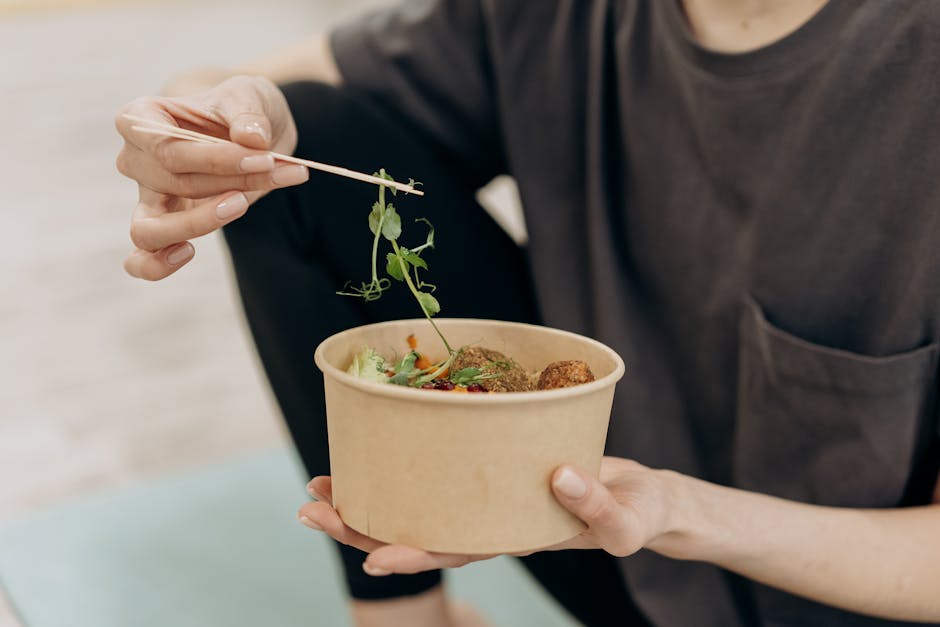
Your gut health is intricately linked with your mood, and knowing this can unlock sustainable wellness. Imagine your gut like a garden; nourishing it with fiber and fermented foods can foster a flourishing ecosystem. Take a moment to consider how your meals affect not just your digestion but your emotions too. When you feel bloated or sluggish, think about how the food choices might connect back to your mood and energy levels. Tune in to these patterns for deeper emotional awareness.

Integrating gentle movement into your daily routine can boost your energy levels and overall wellness. Picture yourself starting off with a calming yoga flow or a leisurely walk, breathing in the fresh air. Even short bursts of movement throughout the day can sustain your energy and maintain focus. Embrace these moments of physical activity as a joyous part of your routine, rather than a chore. Listen to your body’s needs, and find what energizes you the most!
A positive mindset is crucial for embracing your wellness journey. Acknowledge the importance of small steps and allow kindness towards yourself. Picture the progress you’re making, even when it’s not immediately visible. Celebrate those daily victories! Remember that setbacks are part of the journey, and they’re opportunities to learn. Cultivating resilience helps empower you to keep moving forward, no matter what challenges come your way.
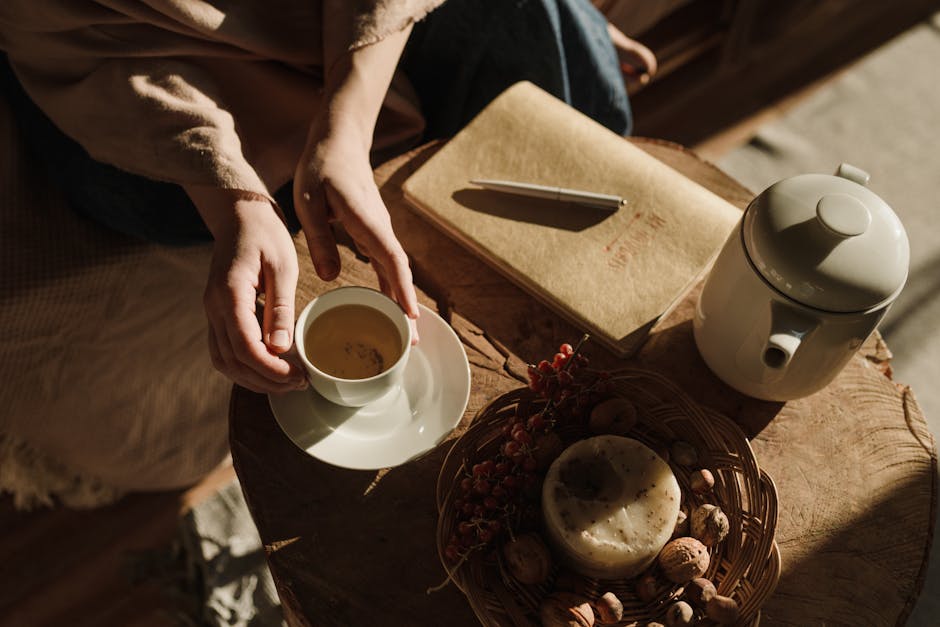
Creating daily rituals can help you anchor your wellness habits. Consider incorporating a morning routine filled with purpose—like enjoying your breakfast with intention or setting aside quiet moments for reflection. These small rituals can instill a sense of control and calm in a busy day. Think of how you can transform mundane tasks into meaningful moments; it’s all about intention! Customize your rituals to fit your unique lifestyle and watch how they provide support.

You’re on the right path, my friend! Every step you take toward incorporating simple metabolic health habits matters. Remember that progress is about consistency, compassion, and self-discovery. Keep showing up for yourself, embrace the process, and celebrate those wins, big or small! You’ve got this, and the best part is that you’re not alone in this journey. Let’s keep encouraging each other!
Editorial Note: All sections are human-edited for accuracy and tone.
"“When I stopped fighting my cravings and started listening to them, everything changed. My body wasn’t being difficult — it was being honest. Once I learned that, food became a partner instead of a battle.” — Natalie, sharing wisdom learned from Chef Aaron"
— Natalie
Continue exploring today’s reflections across our community of creators: